
Tuesday, June 30, 2026 — Frangella Dental
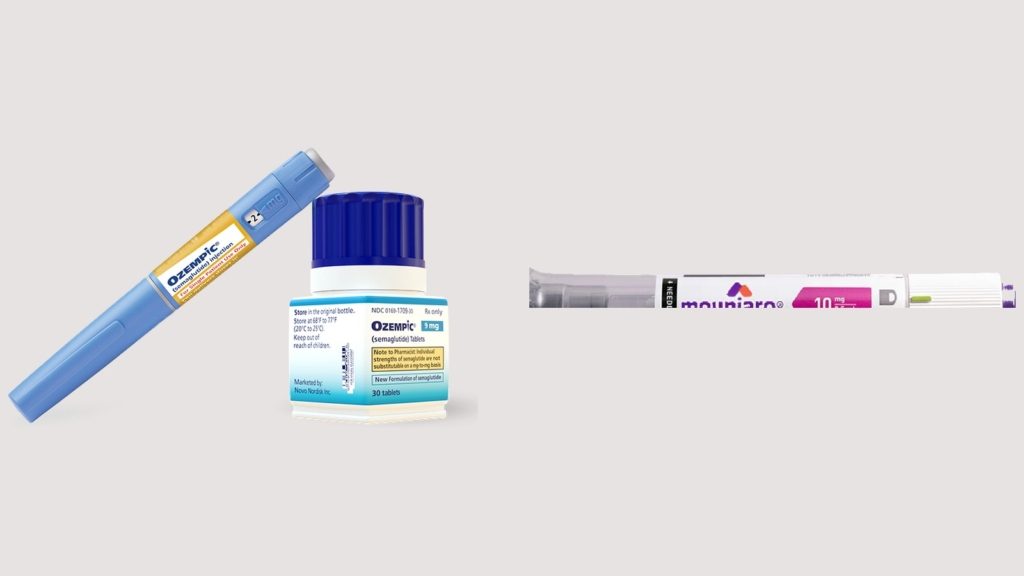
A quarter of our adult patients in Midtown are on some form of GLP-1 medication right now — Ozempic, Wegovy, Mounjaro, Zepbound, or one of the newer ones. Most don’t think to mention it on our health-history form. We get it: it feels like a metabolic question, not a dental one. But it matters more to us than you’d guess, and the reasons aren’t the ones TikTok tells you.
Here’s what we actually see, what to watch for, and one safety issue that’s important enough to put in writing.
What the Drugs Do, Briefly
GLP-1 receptor agonists slow how fast your stomach empties and suppress appetite signals in the brain. The result is dramatic weight loss and improved blood sugar control. They’re well-studied, broadly safe, and have helped a lot of people. We’re not here to argue with the prescription. We just want your mouth healthy while you’re on it.
What We’re Seeing in the Chair
Three patterns turn up often enough that we’ve stopped being surprised by them.
Acid erosion on the back of the front teeth. Delayed gastric emptying makes reflux more likely, and many patients have nausea or vomiting during the dose-titration phase — sometimes for weeks, sometimes longer. Stomach acid hitting the lingual surfaces of the upper incisors leaves a smooth, scooped-out, slightly translucent pattern that we can spot on exam. It’s the same pattern we see with chronic GERD or bulimia, and it doesn’t reverse on its own.
Dry mouth. Lower food intake, lower fluid intake, and the drugs’ direct effects all conspire to reduce saliva flow. Saliva is your mouth’s main buffer against acid and main protection against cavities. Less of it, and decay rates climb — sometimes quickly, in patients who’ve never had a cavity in their adult lives.
Soft-tissue and breath changes. Reduced hydration, less chewing, and altered taste perception are all common. Most of this is minor, but we hear about it.
The One Thing That’s Genuinely Important: Sedation
If you are on a GLP-1 medication and you have any dental procedure scheduled that involves sedation or general anesthesia — IV sedation, deep oral sedation, anything beyond local — you need to tell us, and you need to tell your anesthesiologist.
Because GLP-1s slow gastric emptying, the standard “nothing to eat after midnight” rule isn’t enough. Food can sit in your stomach for far longer than expected, raising the risk of aspiration under sedation. The current American Society of Anesthesiologists guidance recommends holding the medication for at least one full dose cycle before sedation (typically one week for weekly drugs, one day for daily drugs), and adjusting fasting windows accordingly. Some practices ask for stomach ultrasound before sedation in higher-risk cases.
This isn’t a reason to avoid the dental work you need. It’s a reason to plan ahead, communicate, and coordinate with your prescribing physician. Local anesthesia for routine work — cleanings, fillings, most crowns — is not affected. The concern is specifically procedures with sedation.
What to Actually Do
If you’re on a GLP-1 and otherwise low-risk, three small changes go a long way:
Rinse with water after any episode of reflux or vomiting — do not brush immediately. Brushing acid-softened enamel scrubs it off. Wait at least 30 minutes.
Hydrate aggressively, more than you think you need. Set timers if you have to. The dry mouth is real and it compounds.
Add a fluoride rinse at night, or talk to us about prescription-strength fluoride toothpaste (5,000 ppm, Rx only). For high-risk patients we may also recommend in-office fluoride varnish at every cleaning instead of every other.
If you’re prone to reflux, a chairside conversation about timing your appointments — not right after a dose, not on an empty stomach — can make the visit more comfortable.
What “Ozempic Face” Really Means for Your Smile
You’ve probably read about facial volume loss. It’s a real cosmetic phenomenon, but it’s about subcutaneous fat, not your teeth. What it does to a smile assessment is more subtle: a thinner upper-lip drape can change how much tooth shows when you smile, which sometimes prompts patients to ask about veneers or bonding for proportions that worked fine six months ago. We typically tell people to wait until their weight has stabilized for six months before any major cosmetic work, since the lip-line and gum-show relationship continues to shift.
Tell Us
The shortest version of this post: add your GLP-1 medication to your health history, and tell us the dose and how long you’ve been on it. We adjust what we look for, how often we screen, what we recommend for home care, and how we schedule any sedation. None of it is judgment. It’s just better dentistry when we have the full picture.
Schedule a visit or call (212) 245-2888. We’re at 200 W. 57th Street, Suite 1405.
Frangella Dental is a family-run cosmetic and general dentistry practice in Midtown Manhattan, focused on practical, evidence-based care for the way our patients actually live.
