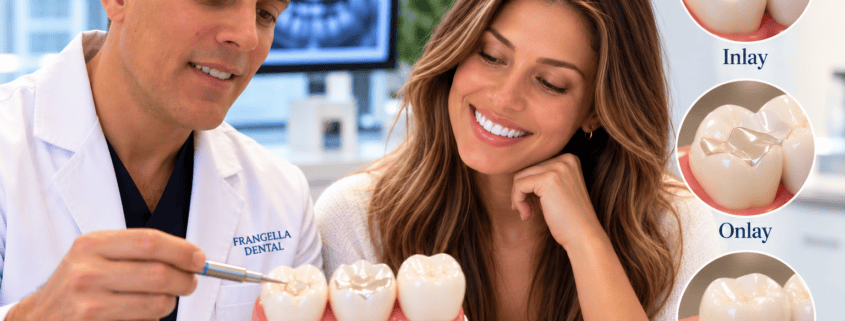
Woman with a bright healthy smile - Frangella Dental NYC

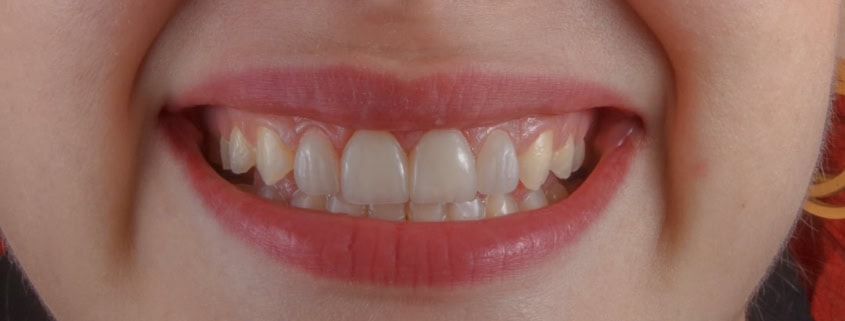
If you’ve ever wished for a brighter, straighter, more uniform smile but didn’t want to commit to braces or whitening that fades, porcelain veneers might be the answer. Veneers are one of the most popular cosmetic dentistry treatments at our Midtown Manhattan practice — and for good reason. With a single procedure, they can correct a wide range of cosmetic concerns and give you the smile you’ve always wanted.

Here’s everything you need to know about porcelain veneers, from what they are to whether they’re right for you.

What Are Porcelain Veneers?

Porcelain veneers are thin, custom-made shells of dental ceramic that are bonded to the front surface of your teeth. Each veneer is designed to match the shape, size, and color you want, then permanently adhered to the tooth to transform its appearance.

Because they’re made of high-quality porcelain, veneers reflect light much like natural tooth enamel. That’s what gives them their lifelike appearance — they don’t look like dental work, they just look like beautiful teeth.

How Veneers Can Transform Your Smile

Porcelain veneers are remarkably versatile. At Frangella Dental, we use them to address a wide range of cosmetic concerns, including:

  • Discolored or stained teeth that don’t respond to whitening
  • Chipped, cracked, or worn-down teeth
  • Small gaps between teeth
  • Slightly crooked or uneven teeth (when full orthodontics aren’t needed)
  • Teeth that are too small, too short, or oddly shaped
  • Worn enamel from grinding or acidic foods

For many patients, a set of veneers across the front teeth — often called a smile makeover — delivers the kind of dramatic, picture-ready results that whitening or bonding alone simply can’t match.

Are Porcelain Veneers Right for You?

Veneers are an excellent option for adults with healthy teeth and gums who want to improve the appearance of their smile. During your consultation, Dr. Andrew Frangella, Dr. Tina Frangella, or Dr. Laura Frangella will evaluate:

  • The health of your teeth and gums
  • The condition of your existing enamel
  • Your bite and how your teeth come together
  • Whether you grind or clench your teeth (a nightguard may be recommended)
  • Your cosmetic goals and the look you want to achieve

Patients with significant decay, gum disease, or major bite issues may need other treatments before veneers can be placed. We’ll walk you through what makes sense for your situation — and if veneers aren’t the right fit, we’ll suggest alternatives like whitening, bonding, or Invisalign.

The Veneer Process at Frangella Dental

Getting porcelain veneers typically takes two to three visits over a few weeks. Here’s what to expect:

1. Consultation and smile design. We discuss your goals, take photos and digital scans, and design the shape, length, and shade of your new smile. You’ll see a preview of the expected result before any work begins.

2. Tooth preparation. A very thin layer of enamel is gently removed from the front of each tooth to make room for the veneer. Temporary veneers are placed so you leave the office with a great-looking smile while your custom veneers are crafted.

3. Veneer placement. About two weeks later, your custom porcelain veneers are bonded to your teeth. We refine the fit and polish until everything looks and feels exactly right.

The whole process is comfortable, and most patients are surprised by how easy it is to go from consultation to final result.

How Long Do Porcelain Veneers Last?

With proper care, porcelain veneers typically last 10 to 15 years or longer. Some of our patients have had their veneers for 20+ years and they still look great.

To keep them looking their best:

  • Brush twice a day and floss daily, just like your natural teeth
  • Avoid using your teeth as tools (opening packages, biting nails, etc.)
  • Wear a nightguard if you grind your teeth
  • Visit Frangella Dental for regular cleanings and exams

Unlike natural enamel, porcelain doesn’t stain — so the color you choose at placement is the color you’ll keep.

What Do Porcelain Veneers Cost in Manhattan?

At Frangella Dental, porcelain veneers are typically $2,250 per tooth, depending on the complexity of your case. Most patients who pursue a smile makeover have between 6 and 10 veneers placed across their front teeth.

Because veneers are considered cosmetic, they’re not usually covered by dental insurance. We offer flexible payment plans to help make treatment more accessible, and we’ll give you a clear, itemized estimate before any work begins.

Why Choose Frangella Dental for Veneers in NYC?

Cosmetic dentistry is as much art as it is science. The shape, length, color, and proportions of your veneers all need to fit your face, your personality, and the way you smile — not just look generic.

At Frangella Dental, our brother-sister team — Dr. Andrew Frangella, Dr. Tina Frangella, and Dr. Laura Frangella — has been creating custom smiles for Manhattan patients for over 25 years. We work with top dental ceramists, take the time to plan every case in detail, and refuse to cut corners on materials. Our Midtown Manhattan office near Columbus Circle makes it easy to fit appointments into your workday.

The result? Smiles that look natural, photograph beautifully, and hold up for years.

Schedule Your Veneer Consultation

Ready to find out if porcelain veneers are right for you? Contact Frangella Dental today at (212) 245-2888 or visit our website to schedule your cosmetic consultation. We’ll review your goals, evaluate your smile, and walk you through your best options — no obligation, just expert guidance.

Frangella Dental offers advanced cosmetic and general dentistry in Midtown Manhattan, including dental implants, Invisalign, porcelain veneers, teeth whitening, and sedation dentistry. Led by a brother-sister team — Dr. Andrew Frangella, Dr. Tina Frangella, and Dr. Laura Frangella.

Invisalign

If you’re an adult considering straightening your teeth, you’ve probably wondered: should I get Invisalign or braces? It’s one of the most common questions we hear at Frangella Dental, and the answer depends on your specific needs, lifestyle, and orthodontic goals. Here’s everything you need to know about Invisalign vs. braces for adults to help you make the right choice.

How Invisalign Works

Invisalign uses a series of custom-made, clear plastic aligners to gradually shift your teeth into the desired position. Each set of aligners is worn for about one to two weeks before moving to the next set in the series. The aligners are virtually invisible, which is a major reason adults prefer them over traditional braces.

At Frangella Dental, we use advanced 3D scanning technology to map your treatment from start to finish. You’ll see a digital preview of your expected results before treatment even begins.

How Traditional Braces Work

Traditional braces use metal or ceramic brackets bonded to your teeth, connected by wires that your orthodontist adjusts over time. While they may not be as discreet as clear aligners, braces are incredibly effective for a wide range of orthodontic issues—including complex cases that Invisalign may not be able to fully address.

Ceramic braces offer a less noticeable alternative to metal brackets while still providing the same level of correction.

Invisalign vs. Braces: Key Differences for Adults

Appearance: Invisalign aligners are nearly invisible. Traditional metal braces are more noticeable, though ceramic braces are less so. For working professionals in NYC, the discreet look of Invisalign is often a deciding factor.

Comfort: Invisalign aligners are made of smooth plastic with no brackets or wires to irritate your cheeks and gums. Braces can cause some discomfort, especially after adjustments, and may irritate soft tissue in your mouth.

Removability: Invisalign aligners are removable, so you can take them out to eat, drink, brush, and floss. This makes maintaining oral hygiene much easier. Braces are fixed in place for the duration of treatment, requiring special brushing and flossing techniques.

Treatment time: Invisalign treatment typically takes 6 to 18 months for most adult cases. Traditional braces usually require 18 months to 3 years, depending on the complexity of the case.

Dietary restrictions: With Invisalign, there are no food restrictions—just remove your aligners before eating. Braces require you to avoid sticky, hard, and crunchy foods that can damage brackets and wires.

Office visits: Invisalign patients typically visit our Midtown Manhattan office every 6 to 8 weeks. Braces usually require adjustments every 4 to 6 weeks.

When Is Invisalign the Better Choice?

Invisalign is an excellent option for adults with mild to moderate orthodontic issues, including:

  • Crowded teeth
  • Gaps between teeth
  • Mild to moderate bite issues (overbite, underbite, crossbite)
  • Previously straightened teeth that have shifted over time

If you value discretion, convenience, and flexibility in your orthodontic treatment, Invisalign is likely the right fit. It’s especially popular among professionals, adults in social-facing roles, and anyone who wants to straighten their teeth without the look of traditional braces.

When Are Braces the Better Choice?

Braces may be recommended for more complex orthodontic cases, such as:

  • Severe crowding or spacing issues
  • Significant bite misalignment
  • Teeth that need to be rotated significantly
  • Cases requiring precise vertical movement of teeth

Because braces are fixed to your teeth, they work continuously without relying on patient compliance. This can be an advantage if you’re concerned about wearing aligners the recommended 20 to 22 hours per day.

What About Cost?

The cost of Invisalign vs. braces in Manhattan is comparable for most cases. At Frangella Dental, Invisalign treatment typically ranges from $3,500 to $8,000, while traditional braces range from $3,000 to $7,000, depending on the complexity of your case.

Many dental insurance plans cover orthodontic treatment for adults, and we accept most major insurance plans at our practice. We also offer flexible payment plans to make treatment more accessible.

Why Choose Frangella Dental for Your Orthodontic Treatment?

At Frangella Dental, our team—Dr. Andrew Frangella, Dr. Tina Frangella, and Dr. Laura Frangella—takes a personalized approach to every orthodontic case. We’ll evaluate your teeth, discuss your goals, and recommend the best treatment option for your unique situation.

Our Midtown Manhattan office near Columbus Circle makes it easy to fit appointments into your workday. We’ve been serving New York City patients for over 25 years and have earned 5-star reviews from hundreds of satisfied patients.

Whether you choose Invisalign or braces, our goal is the same: to give you a straighter, healthier smile you’ll feel confident about.

Schedule Your Invisalign Consultation

Ready to find out if Invisalign is right for you? Contact Frangella Dental today at (212) 245-2888 or visit our website to schedule your consultation. We’ll assess your smile and walk you through your best options—no obligation, just expert guidance.

Frangella Dental offers advanced cosmetic and general dentistry in Midtown Manhattan, including dental implants, Invisalign, porcelain veneers, teeth whitening, and sedation dentistry. Led by a brother-sister team — Dr. Andrew Frangella, Dr. Tina Frangella, and Dr. Laura Frangella.

If you’re missing one or more teeth, you’re not alone. Millions of Americans deal with tooth loss every year, and for many, dental implants offer the most natural-looking, long-lasting solution available. At Frangella Dental in Midtown Manhattan, Dr. Andrew Frangella surgically places and restores dental implants right here in our office—no referral to an outside surgeon needed.

Here’s everything you need to know about dental implants, from how they work to what you can expect during treatment.

What Is a Dental Implant?

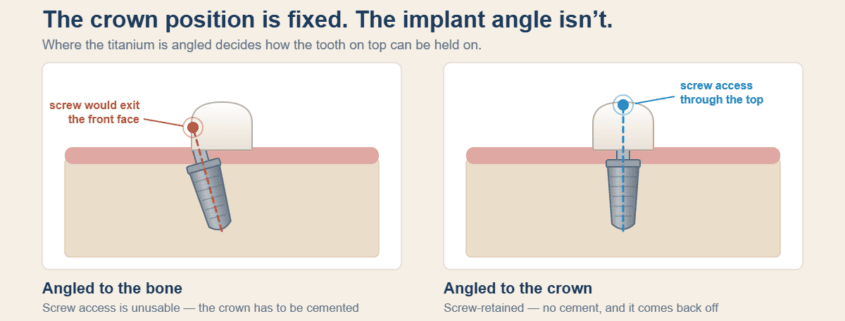
A dental implant is a small titanium post that’s surgically placed into the jawbone to replace the root of a missing tooth. Once the implant fuses with the bone—a process called osseointegration—a custom-made crown is attached on top. The result looks, feels, and functions just like a natural tooth.

A complete dental implant has three parts:

  • The implant (titanium post): Acts as the new tooth root, anchored securely in the jawbone.
  • The abutment: A connector piece that sits on top of the implant and supports the crown.
  • The crown: The visible, tooth-colored restoration custom-made to match your natural teeth.

Why Choose Dental Implants Over Other Options?

Dental implants offer several advantages over traditional bridges and dentures. Because they’re anchored directly in the bone, implants prevent the jawbone deterioration that commonly occurs after tooth loss. They don’t require grinding down adjacent healthy teeth the way a bridge does, and unlike removable dentures, they won’t slip or shift when you eat or speak.

With proper care, dental implants can last a lifetime—making them one of the most cost-effective tooth replacement options in the long run.

Am I a Good Candidate for Dental Implants?

Most adults with good general health are candidates for dental implants. During your consultation at Frangella Dental, Dr. Andrew Frangella will evaluate:

  • Your jawbone density and volume (a 3D scan helps us assess this)
  • Your overall oral health, including gum condition
  • Any medical conditions that may affect healing
  • Whether bone grafting is needed before implant placement

Even patients who have been told they don’t have enough bone for implants may still be candidates thanks to advances in bone grafting and implant technology.

What Does the Dental Implant Process Look Like?

The implant process typically takes place over several visits spanning a few months. Here’s what to expect:

1. Consultation and planning. We take detailed 3D images of your jaw and create a customized treatment plan.

2. Implant placement. Dr. Andrew Frangella surgically places the titanium implant into the jawbone. This is done under local anesthesia, and sedation options are available for anxious patients.

3. Healing period. Over the next 3–6 months, the implant integrates with the bone. A temporary tooth can be placed during this time so you’re never without a smile.

4. Crown placement. Once fully healed, a permanent porcelain crown is custom-crafted and attached to the implant.

Why Frangella Dental for Implants in NYC?

What sets Frangella Dental apart is that Dr. Andrew Frangella both places and restores implants in-house. Many general dentists refer patients to an oral surgeon for the surgical phase, which means coordinating between two offices. At our Midtown Manhattan practice near Columbus Circle, the entire process happens under one roof with one doctor who knows your case from start to finish.

Along with Dr. Tina Frangella and Dr. Laura Frangella, our brother-sister team provides comprehensive dental care with a personal touch. We’ve been serving New York City patients for over 25 years and have earned 5-star reviews from hundreds of satisfied patients.

Schedule Your Dental Implant Consultation

Ready to find out if dental implants are right for you? Contact Frangella Dental today at (212) 245-2888 or visit our website to schedule your consultation. We’re conveniently located at 200 W. 57th Street, Suite 1405, in Midtown Manhattan—just steps from Columbus Circle.

Frangella Dental offers advanced cosmetic and general dentistry in Midtown Manhattan, including dental implants, Invisalign, porcelain veneers, teeth whitening, and sedation dentistry. Led by a brother-sister team — Dr. Andrew Frangella, Dr. Tina Frangella, and Dr. Laura Frangella.

Warm drinks and tooth enamel - dental health tips from Frangella Dental

If you enjoyed all the fun summer wines, and are looking forward to all the hot fall drinks, you may want to take some extra steps to protect your teeth’s enamel now. The American Dental Association notes “Foods and beverages that are high in acids wear away the enamel that protects your teeth, a process known as tooth erosion. This changes the appearance of your teeth and opens the door for bacteria that can cause cavities or infection.” When you drink lots of acidic drinks, it can soften your enamel, leaving your teeth more vulnerable to staining and enamel erosion. Symptoms of this are often tooth sensitivity when drinking or eating something hot or cold, or having some discoloration on your teeth.  

Can you still drink your Pumpkin Spice Lattes this fall? The good news is yes you can with some extra steps! To help your teeth, you can do a couple of things: waiting at least an hour to brush your teeth after finishing your drink, and limiting the amount of drinks throughout the day. If you are worried about your enamel, have your dental hygienist check your teeth at your next cleaning. Want us to check them out sooner? Contact us!

Signs of sleep apnea - dental health guide from Frangella Dental NYC

Do you sleep with a snorer? They could have Sleep Apnea. Sleep Apnea can affect everyone from babies to adults. According to the Cleveland Clinic, 25% of women and 10% of men experience some type of Sleep Apnea. Some of the signs you or a loved one may have sleep apnea are: fatigue, snoring, waking suddenly feeling the person is gasping or choking, or dry mouth or sore throat after sleeping. Children may display different symptoms such as: trouble in school, inward movement of the rib cage when inhaling, unusual sleeping positions, and more. 

“Besides not being able to get a good night’s rest, sleep apnea sufferers may be more prone to higher blood pressure and a decreased flow of oxygen to the brain. This may cause fatigue during the day and if left untreated can lead to impaired daytime function.  If you have a weakened heart already, sleep apnea can aggravate your condition by placing stress on your heart while you sleep.  This can lead to heart attack and possibly stroke,” explains Dr. Andrew Frangella. It can affect more than just your sleep, so if you think you may have symptoms, it’s important to check with your dentist for a full evaluation. For more information on treatments and sleep apnea, check out our treatment options, or contact us.

Dental hygiene products for oral health care

Ready to achieve that healthy smile? All you need to start is a good set of dental tools. Tools like brushes, toothpaste, floss and mouthwash all can help you maintain a beautiful smile with less plaque, cavities and gum disease. Our experts put together some recommendations for each of these tools, and why they are important to keep in your daily maintenance routine.


  1. Brushes – A good brush is one you will actually use at least twice a day, but if you are having a certain dental issue, you may want to talk with your dentist at your next cleaning about what may fit your needs the best. Oscillating toothbrushes can be helpful for removing plaque, and often can help as well with removing particles that may cause staining later on. Dr. Laura Frangella points out “​​Oscillating toothbrushes minimize technique errors that occur with manual toothbrushes. People often miss hard to reach areas because they are rushing or just don’t know proper brushing technique. Oscillating toothbrushes are designed so that all you have to do is position the toothbrush head in the proper areas, and it will do all the work for you by performing the proper brushing motions on its own.”  Frangella dentists often recommend Sonicare and Oral-B brands for oscillating toothbrushes. If you don’t feel comfortable using an oscillating brush because of sensitive teeth or gums, or cost is an issue, a soft gentle brush may be a good choice for you. Most dentists recommend some type of soft bristle as people tend to brush harder than is really necessary. 
  2. Toothpaste – Most dentists recommend a toothpaste that contains fluoride. Fluoride is recommended for its remineralizing attributes, having fluoride in your toothpaste will help avoid cavities and tooth decay by keeping enamel healthy and strong. Frangella Dentists recommend brands including Crest, Colgate and Sensodyne. There are toothpastes that are geared to more sensitive teeth, and even some for people with dentures or veneers. For more sensitive teeth, Frangella Dentists recommend Sensodyne toothpaste. Be sure to select one that fits your needs best. Ask your dentist at your next cleaning what the biggest issue is with your teeth, and you’ll be able to narrow down quickly which toothpastes may be best for you. Some people prefer to go a more natural route. Some natural toothpastes can be too abrasive for teeth, so be sure to read the labels carefully to make sure it’s effective in helping with cavities. If you are unsure about whether or not your toothpaste is an effective one, be sure to bring it to your next dental cleaning to ask your dentist.
  3. Floss – It’s important to floss your teeth once a day to get any food particles that may have gotten stuck in between your teeth that your brush can’t reach. Think of it as the tool that gets in the deep crevices where the brush can’t get to. If those particles stay in those crevices, bacteria will build, and that’s when issues like gum disease and cavities can begin. There is the traditional string version of floss that most dentists use for cleanings. These can often come in different flavors, widths and offer the flexibility to use different techniques for flossing. The wider the floss, typically the easier it will be to wrap around your fingers, but it may be more difficult in getting in and out of teeth that are tight together. The thinner string will get in between really hard to reach places most often, but may be difficult to wrap around your finger. Frangella Dentists typically recommend Glide and Satin-floss. There are also floss picks that some people prefer that come with a short string of floss already measured out, and a pick on the other end. These can be helpful for some who may not be able to reach their back molars. Children often find these to be easier than the traditional string floss. Another tool that many dentists recommend is a water flosser, or oral irrigator. These can be effective at removing plaque, often easier than traditional flossing, as they push water into those deep crevices, removing food particles, much like traditional floss would. This might be a good option for those with braces or bridges who may struggle with traditional floss. Frangella dentists recommend the Waterpik water flosser most often. 
  4. Mouthwash – Mouthwash tends to all look alike, so how do you know which one to use? First, most dentists recommend that you make sure it has the American Dental Association’s Seal of Approval on it. This means that it passes all the standards for safety and efficacy. Mouthwash should include some version of fluoride to help with plaque. Look for one that may target a dental issue your dental hygienist may have mentioned at your last appointment, such as anti-plaque, anti-cavity, or even sensitivity issues. Frangella Dentists often recommend Listerine or ACT brands of mouthwash. Also, remember that mouthwash is not a substitute for brushing and flossing. It can be helpful post-flossing to help remove any bacteria that may be left from flossing, and help prevent gingivitis and other gum disease; just be sure to use it in moderation. 

Whether you use one item over the other, it’s important just to use what works for you! Any dentist would agree that there’s no such a thing as a bad dental tool as long as it’s getting used. Take care of your teeth, and they will help take care of your overall health! If you want specific recommendations, ask your dentist at your next dental visit, or feel free to call us to schedule your next appointment. 

Design a new smile with veneers

First impressions matter, and according to studies, can affect how people perceive you even after meeting you for a second and third time. Part of your first impression is your smile. Good or bad, people often perceive others with straight teeth as being more successful and smarter. Don’t leave people with a negative impression with a smile that contains chipped or missing teeth. Porcelain Veneers are thin, porcelain coverings that produce an instant smile makeover. Durable and natural looking, veneers will cover chipped, cracked, and worn teeth to align and brighten nearly any smile. Veneers can be done with often minimal-prep or no-prep. Fix your smile instantly with this cosmetic treatment at our offices this spring.

Invisalign

Worried about having a crooked smile this summer? One of the fastest and easiest ways to straighten out your smile is through Invisalign. Invisalign ® moves the teeth using clear aligners that can be removed, while traditional braces move the teeth with fixed wires and brackets. These clear aligners will not show up in photos, leaving your smile photo-ready. Invisalign can correct crowding, overbites, underbites, and excess spacing. While traditional braces can do the same thing, they are more visible in photos. Depending on your teeth and desired treatment outcome, your dentist will recommend the treatment that is best suited for you. Most dentists will offer payment plans that can make the treatment work for your budget. Learn more about our Invisalign services today!

Spring Cleaning

Summer is just around the corner, and everyone is looking forward to some social events again with weddings, and other special summer festivities. Along with those events come lots of photos, which means your smile needs to be ready! Here are some tips from our dental experts on ways to touch up your smile in time for all of those summer social events:

  1. Daily Maintenance: One of the easiest ways to quickly touch up your smile is by taking care of your teeth daily, by brushing twice a day, flossing at least once, and keeping an eye out for any potential issues, such as chipped teeth or pain signaling another potential dental issue. Some people may also benefit from using a mouthwash daily.
  2. Routine Cleanings: Haven’t had your routine cleaning in a while? It’s important to invest in your teeth’s health by going in every 6 months for a routine cleaning. During this cleaning, not only will your dentist examine your teeth for cavities, chipped teeth, and any signs of oral cancer, but he or she will also polish your teeth, removing plaque and stains.
  3. Whitening: Have you done the white tissue test lately with your teeth? Chances are that if you haven’t been whitening your teeth on a consistent basis, they probably aren’t sparkling white. Shortly after a routine cleaning, you can use whitening toothpaste and an at-home whitening kit to take advantage of making sure your teeth are appropriately white for those summer social events. If the at-home kits aren’t working well, it might be time to talk to your dentist about some professional whitening services that they might offer. Our team offers several options for whitening teeth, including helping brides, and bridal party members to schedule whitening within an optimal time frame before the big day.
  4. Resolving bad breath: Now that mask mandates aren’t as prevalent, you may be more and more aware of your breath again, especially when you are eating fun new foods, and old favorites at these summer social events. One of the best ways to keep your breath smelling great is to keep your teeth clean with daily brushing, flossing, and regular routine cleanings. You can also bring a travel toothbrush and toothpaste to quickly brush your teeth after eating at an event. Gum and other mints can mask the odor, but many contain sugar, which can exacerbate the odor later on. Drinking water can also help wash away excess sugars around your teeth, and help prevent some bad odors.

Do you need more than these to fix up your smile? Our team of dental professionals can help assess what you might need including veneers, braces or Invisalign, and more. Contact us today to learn more about how you can touch up your smile in time for summer’s social events!


Need a Breath Mint?

Feeling the need to pop a mint or know a loved one that could use one? Bad breath is something that is easily treatable, and can be improved with many home remedies. Bad breath is caused by bacteria building up in your mouth. This often comes from food particles breaking down that have gotten stuck in a crevice somewhere in your teeth. The best way to prevent bad breath is by brushing and flossing after meals. If you are already doing that, try drinking more water after each meal and be sure to swish it around to wash away any remaining food particles. If you have dentures, be sure to remove and clean them every evening to prevent bacteria building up in your mouth. While mints and other herbs such as parsley and basil can help neutralize the odor, you can also try raw crunchy foods such as apples to clean the teeth. Cinnamon and yogurt are some other foods that can help cut down on the bacteria in your mouth. Still having issues? Talk with one of our experts to make sure there aren’t other issues causing your bad breath!